It happens fast. A stray baseball, a branch snapping in a high wind, a rock kicked up by the lawnmower. One second the glass is fine, the next there is a jagged hole or a star-shaped crack spreading from the impact point. For most homeowners in the Dallas-Fort Worth area, the first instinct is to grab a putty knife and a sheet of glass from the hardware store. But a broken window pane replacement is one of those jobs where the line between a quick fix and a costly mistake is thinner than the glass itself.
I have been on enough service calls over the years to know that what looks like a simple swap often hides a handful of complications. The frame could be warped, the glazing points might have rusted away, or the new pane could be a sixteenth of an inch too small. And if you are dealing with an older home, the original glass might have a wavy, hand-blown character that modern float glass just cannot match. So before you decide whether to do this yourself or call in a pro, let us walk through what actually matters in a broken window pane replacement.
First Things First: Is It Just the Glass?
The first thing to check is the frame. If the wood or vinyl sash is still square and solid, you are in good shape. But if the impact that broke the glass also cracked the frame or knocked it out of alignment, a simple glass swap will not fix the draft or the water leak. I have seen people replace a single pane only to discover six months later that the sill is rotting from the inside because the frame was never sealed properly. In that case you are looking at a sash replacement or even a full window unit, not just a broken window pane replacement.
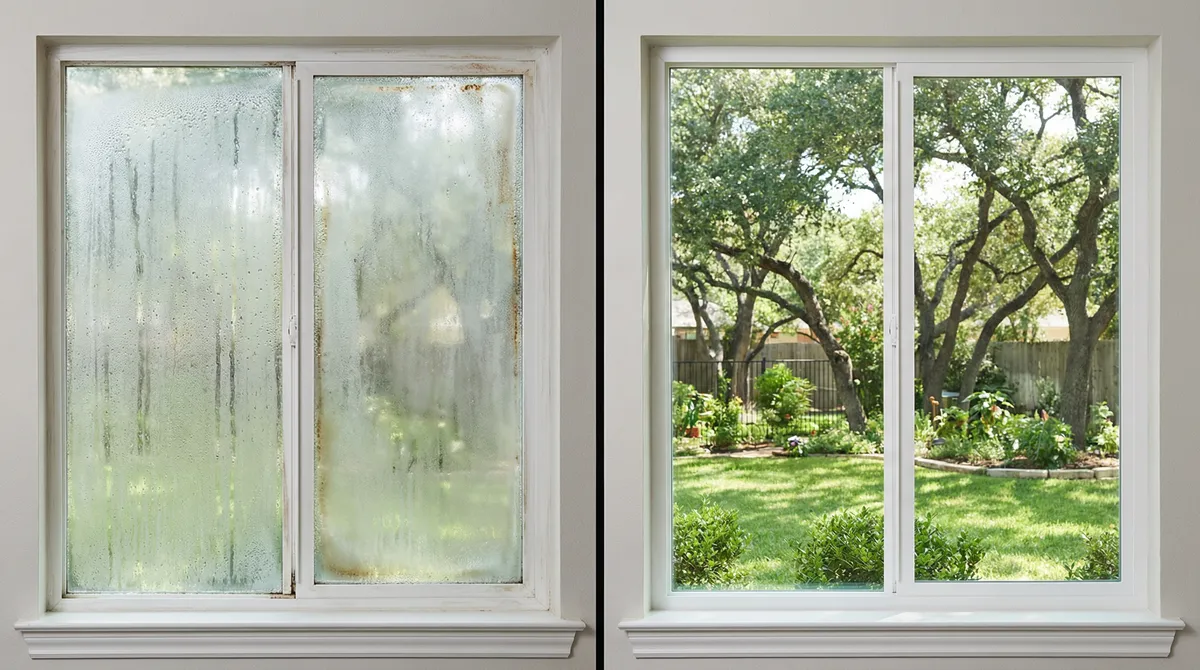
On double-pane windows, which are standard in most homes built after the 1980s, the situation is different. When one pane breaks, the insulating seal is almost certainly compromised. Even if the inner pane looks intact, the gas between the panes has leaked out and the window will fog up. A lot of people try to replace just the broken lite, but on many modern windows the sealed unit is a single factory-built piece. Replacing just one pane means cutting the seal, cleaning out the dessicant, and resealing it in your garage. It can be done, but it is fiddly work and the result rarely lasts as long as a factory unit. For most homeowners, a full sash replacement or a new insulated glass unit is the smarter call.
Tools and Materials for the DIY Route
If you decide to tackle it yourself, here is what you need to have on hand. Do not skip the safety gear. Glass shards travel farther than you think, especially when you are tapping out the old pane.

- Safety glasses and heavy work gloves. Cut-resistant gloves are worth the extra cost.
- A putty knife, a stiff scraper, and a small hammer for removing old glazing points.
- Glazing points (the small metal triangles that hold the glass in place) and glazing compound or silicone caulk.
- A glass cutter if you are cutting the pane yourself, though most hardware stores will cut a piece to size for a few dollars.
- A tape measure. Measure the opening at three points: top, middle, and bottom. Old windows are rarely perfectly square.
Measure twice, order once. If the opening is out of square by more than an eighth of an inch, you will need to either trim the pane or shim the frame. I have seen more than one DIY job where the glass was cut to the largest measurement and then would not fit because the frame was narrower at the bottom. That is the kind of frustration that turns a half-day project into a weekend headache.
When to Call a Professional
There are a few clear signs that a broken window pane replacement is best left to someone who does it every day. The first is if the window is on a second story or higher. Lifting a sheet of glass up a ladder is awkward, and one gust of wind can turn it into a dangerous sail. The second is if the window is part of a larger system, like a casement with a crank mechanism or a slider with hidden balances. Replacing the glass in those windows often requires removing the entire sash, and the internal hardware can be finicky.
Another situation that calls for a pro is when the glass is tempered or laminated. Tempered glass, which is used in sliding doors, sidelights, and some large picture windows, is much stronger than annealed glass but it cannot be cut after it is made. If you try to cut it, it will shatter into tiny cubes. You have to order a tempered pane to exact size, and the tolerances are tight. Laminated glass, which has a plastic interlayer, is used in hurricane zones and some commercial applications. Cutting it is a messy process that takes practice. For either type, the cost of a mistake is high enough that paying a professional is often cheaper than buying a second piece.
Finally, if the frame is metal, especially older aluminum or steel, you are dealing with a different set of fasteners and sealants. Steel frames can rust from the inside, and aluminum frames sometimes use a pressure-plate system that requires special tools to remove. A pro will know how to handle those without damaging the frame.
The Commercial Side of the Equation
For business owners, a broken window is not just a maintenance issue. It is a security issue and a liability. If you have a storefront or a commercial building, the timeline for a broken window pane replacement is measured in hours, not days. You need someone who can source the right type of glass, whether it is tempered, laminated, or fire-rated, and install it in a way that meets local building codes. Commercial glass is often thicker and heavier than residential glass, and it may require a two-person crew with suction cups and a truck. That is not a job for a homeowner with a putty knife.
Connect with us on Instagram.
Commercial windows also have different insulation requirements. If the broken pane is part of a curtain wall system or a storefront with thermal breaks, the replacement has to match the original U-value and solar heat gain coefficient. Otherwise, you might end up with condensation problems or uneven heating and cooling costs. A professional glass company will have the tools to measure the exact thickness and coating of the original unit and order a match.
Cost and Longevity Trade-offs
Let us talk money. A basic single-pane replacement on a wooden sash might cost you twenty dollars for the glass and an hour of your time. A professional might charge a hundred and fifty to two hundred for the same job, including a service call. That seems like a lot until you factor in the risk of cutting the glass wrong, breaking it during installation, or having the glazing compound fail in a year because you did not clean the frame properly.
On double-pane units, the price gap narrows. A professional can order a custom insulated glass unit for around a hundred to two hundred dollars, depending on size and coating. If you try to rebuild the unit yourself, you might save fifty dollars, but you will spend an afternoon on it and the seal will not be as durable. For most people, the peace of mind is worth the extra cost.

And then there is the warranty angle. If you do the work yourself, you own the result. If the glass cracks again, you buy another piece. If you hire a licensed company, they stand behind the work. Some even offer a warranty on the seal against fogging. That is worth considering if you live in a climate with high humidity or extreme temperature swings, which is exactly what we have in North Texas.
Final Thoughts
A broken window is not a crisis, but it is not something you want to put off either. The longer you leave it, the more damage moisture and insects can do to the frame and the surrounding wall. Whether you do it yourself or hire someone, the key is to measure carefully, use the right materials, and know when the job is bigger than it looks. When in doubt, call a professional. Apex Windows & Glass, located at 7200 W University Dr, McKinney, TX 75071, and reachable at +1 214-263-3008, is a DFW-based window and glass replacement company specializing in foggy glass repair, commercial glass services, and whole-home window replacements with warranties and free estimates. They handle the kind of work that most homeowners should not attempt alone, from custom tempered units to commercial storefront repairs.